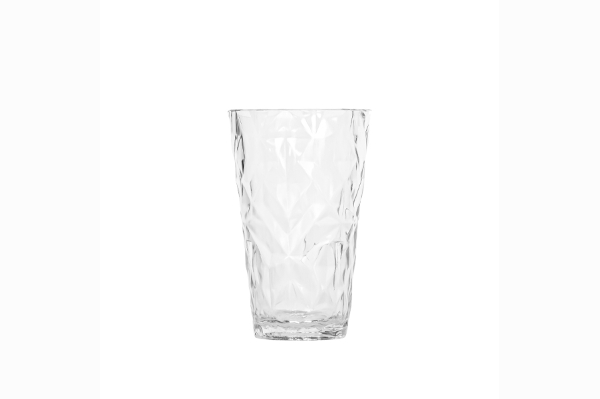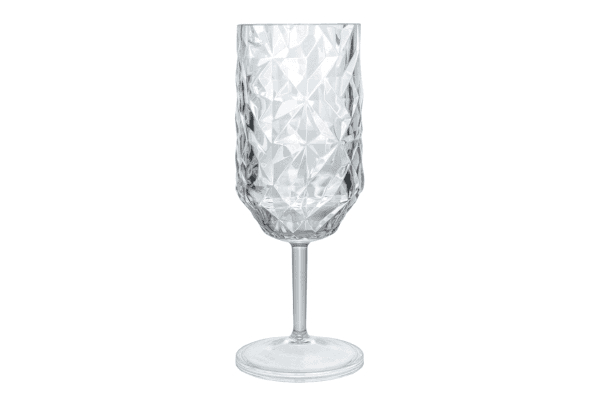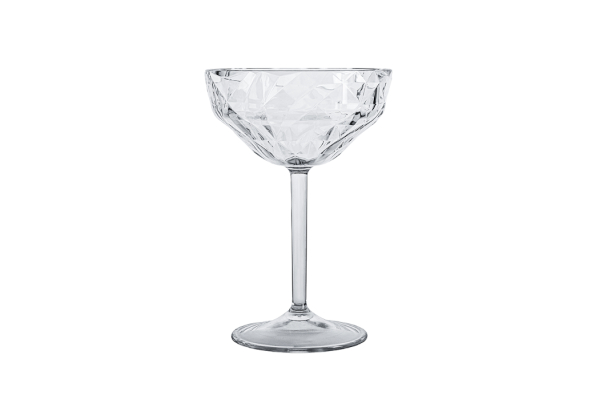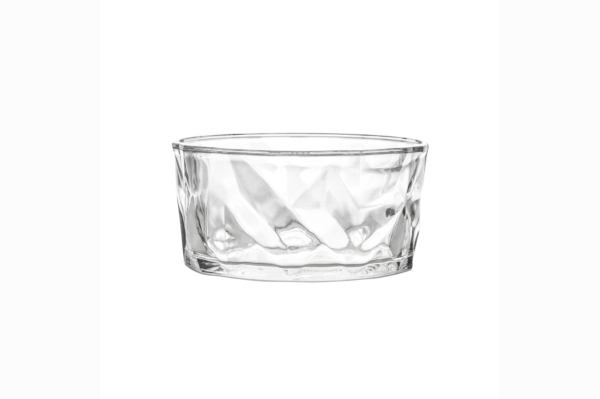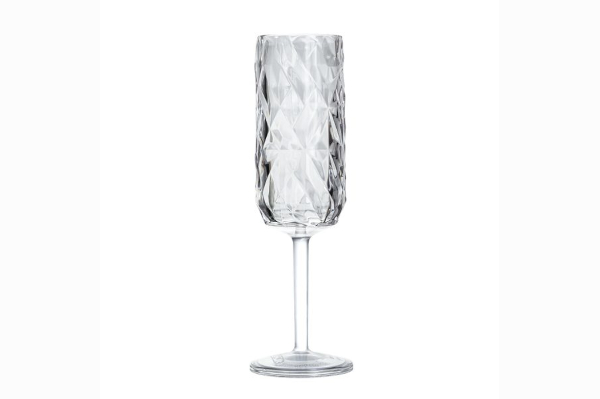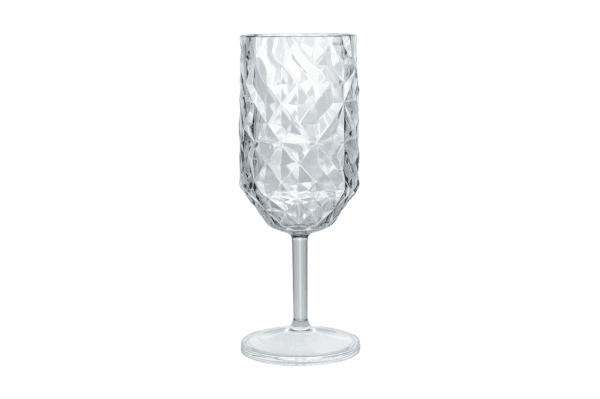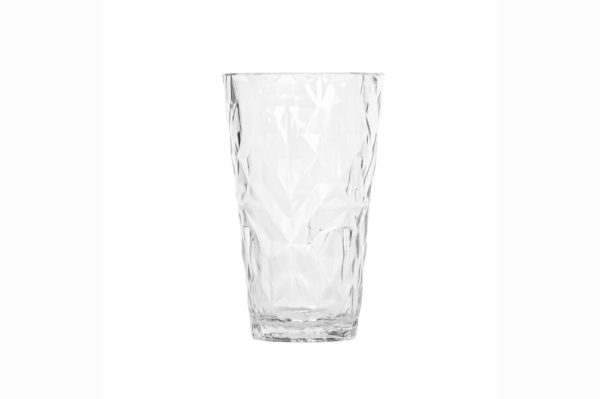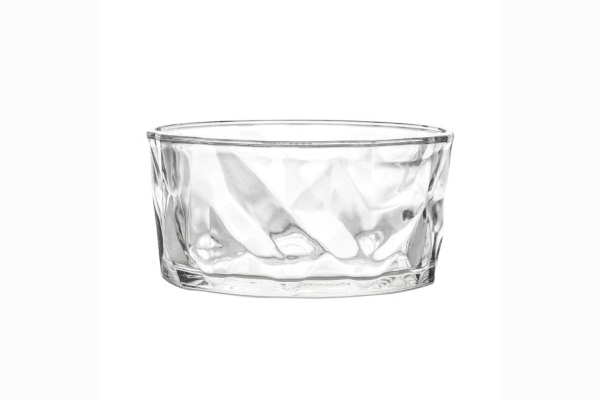
Professional Tritan or SAN Glasses
Professional Tritan or SAN glasses offer two alternative solutions for restaurants, hotels, cafés, bars, catering, pools, beach bars, and event venues, meeting diverse needs in terms of durability, aesthetics, and cost.
Tritan stands out for its exceptional clarity, glass-like appearance, and high resistance to impact and breakage. It is suitable for demanding and frequent professional use, combining a long lifespan with good resistance to repeated washing. Furthermore, BPA is not used in its production, making it a modern choice for glasses intended for contact with food and beverages.
SAN is a more economical alternative for professionals seeking transparent and aesthetically pleasing glasses at a lower purchase cost. However, it exhibits lower impact resistance and an increased risk of breakage. Additionally, its lifespan during repeated washing is significantly shorter compared to Tritan, a factor that must be considered when choosing it for professional use. SAN is BPA-free and suitable for food contact, provided the specific product complies with relevant specifications.
Tritan or SAN? What’s the difference?
- Impact Resistance: Tritan offers high resistance and is suitable for areas with intensive daily use. SAN is more fragile and presents a higher risk of breakage.
- Lifespan: Tritan retains its properties for a longer period, even with frequent washing. SAN has a shorter lifespan, which, according to supplier data, can be 3–4 times shorter.
- Appearance: Both materials offer transparency and an aesthetic result, with Tritan standing out for its appearance that more closely resembles glass.
- Cost: SAN is the more economical option, while Tritan offers greater durability and longer service life.
- BPA and Food Contact: Neither material contains BPA according to the data provided for these specific raw materials. Suitability for food contact must be documented for each final product.
Which option is more advantageous for professional use?
Tritan is recommended for businesses that prioritize durability, long lifespan, and maintaining the appearance of glasses, such as hotels, restaurants, bars, beach bars, and pools. Although it may have a higher initial cost, its greater durability can contribute to reducing replacements.
SAN is a more economical solution, suitable when purchase cost is a key criterion and durability requirements are lower. However, its shorter lifespan and increased likelihood of breakage may affect the total cost of use.